What dyslexia can look like
Different for every learner.
Dyslexia can affect remembering spelling patterns and high-frequency words, reading unfamiliar words, working memory, processing, organisation or sustaining attention. It often runs in families and can range from mild to more significant.
The gap between a child’s abilities and their performance can be confusing and discouraging. Over time, this can affect confidence and self-esteem.
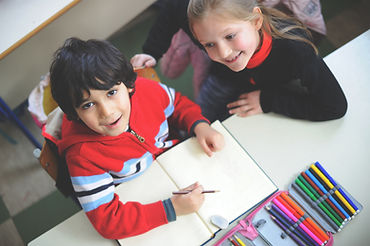
Every learner is different
Confidence grows when learning makes sense.
Patient, structured support gives children a clearer way into reading and spelling.
Strengths matter too
Dyslexia is not a measure of intelligence.
At Reading Works, the aim is not to change the way a child thinks. It is to work with the way their brain learns, provide the right tools and help them discover how capable they really are.
Could this be dyslexia?
Some signs to look for.
No two people with dyslexia are exactly alike. A child may experience some signs and not others.
Reading & spelling
- Difficulty sounding out unfamiliar words
- Slow or hesitant reading
- Difficulty remembering spelling words
- Inconsistent spelling
- Difficulty getting ideas down on paper
Memory & learning
- Needs lots of repetition
- Difficulty following instructions or sequences
- Takes longer to process information
- Difficulty remembering times tables and basic maths facts
Writing & motor skills
- Difficulty with handwriting or copying
- Fine-motor challenges
- Difficulty telling left from right
Organisation
- Difficulty with time management and organisation
- Can become overwhelmed or lose focus under pressure
These signs do not necessarily mean a child has dyslexia. If you recognise several of them, it may be worth looking into further. With the right teaching and support, children with dyslexia can learn and thrive.
When learning becomes harder
Start where your child is.
Structured, multisensory teaching can help build the skills and confidence they need.